

TPFCS provides training intended to impact and reorient employee to learn and acquire new skills and gain the professional knowledge required to progress their careers. There are several training categories that we offer to our clients.








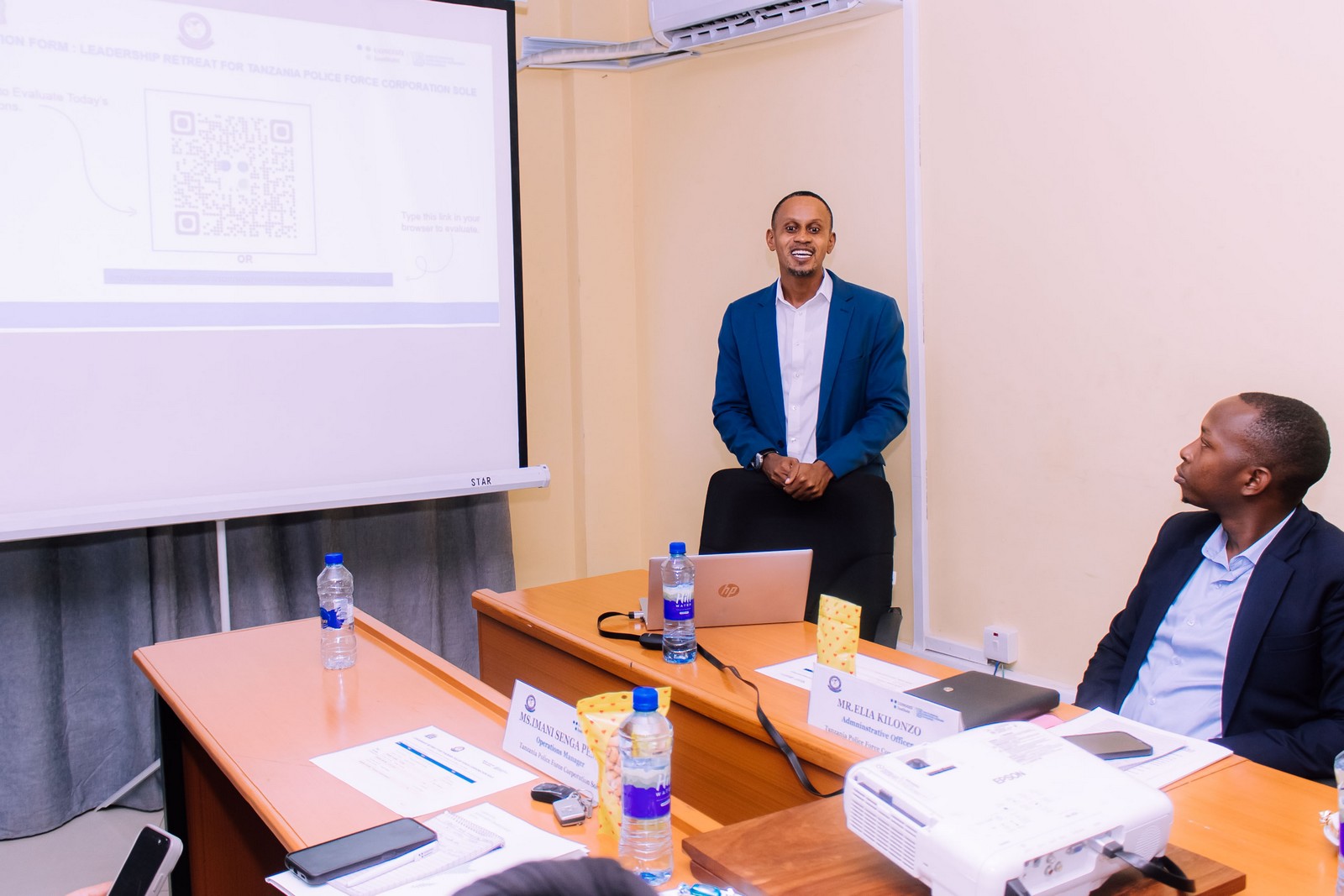

Training Services
Physical training and drilling
Physical endurance 4 am
Master parade
Physical drilling
Weapon training and handling
- Weapon safety
- Weapon assembly and disassembly
- Weapon loading and unloading
- Fundamental principles of marksmanship
- How to clear weapon malefaction
- Pre-hospital treatment
- Training and service of target ranges to owners of firearms for safe use and storage
Why choose TPFCS for Training
Expertise Rooted in Operational Experience
Benefit from real-world knowledge delivered by experienced law enforcement professionals.
Comprehensive and Specialized Training Programs
Access a wide range of tailored courses from weapon handling to cybersecurity.
Commitment to Safety and Professional Standards
Trusted by Government and Private Sector Alike
Cyber Security
Under Cyber Secuirty TPFCS does the folloqing:
Introduction to Cybersecurity
Importance of cybersecurity in modern operations
Understanding threats, vulnerabilities, and risks
Common types of cyberattacks (phishing, malware, ransomware, etc.)
Understanding threats, vulnerabilities, and risks
Common types of cyberattacks (phishing, malware, ransomware, etc.)
Cybercrime and Cyber Laws
Overview of cybercrime (local and international context)
Relevant Tanzanian and international cyber laws
Roles and responsibilities of law enforcement in combating cybercrime
Relevant Tanzanian and international cyber laws
Roles and responsibilities of law enforcement in combating cybercrime
Network Security
Basics of network architecture and security
Firewalls, intrusion detection/prevention systems (IDS/IPS)
Securing wireless and wired networks
Firewalls, intrusion detection/prevention systems (IDS/IPS)
Securing wireless and wired networks
Endpoint and Device Security
Securing computers, mobile phones, and other devices
Antivirus and anti-malware protection
Best practices for device usage and protection
Antivirus and anti-malware protection
Best practices for device usage and protection
Secure Passwords and Authentication
Importance of strong passwords
Two-factor/multi-factor authentication (2FA/MFA)
Credential management best practices
Two-factor/multi-factor authentication (2FA/MFA)
Credential management best practices
Data Protection and Privacy
Principles of data confidentiality, integrity, and availability (CIA triad)
Safe data storage and transfer
Personal data protection under Tanzanian law
Safe data storage and transfer
Personal data protection under Tanzanian law
Incident Detection and Response
How to identify a cybersecurity incident
Steps to respond to and recover from incidents
Reporting procedures and documentation
Steps to respond to and recover from incidents
Reporting procedures and documentation
Digital Forensics (Basic Level)
Introduction to digital evidence
Chain of custody and evidence handling
Basic forensic tools and techniques
Chain of custody and evidence handling
Basic forensic tools and techniques
Safe Use of Social Media and Internet
Risks associated with social media platforms
Guidelines for professional and personal safety online
Detecting and avoiding misinformation or traps
Guidelines for professional and personal safety online
Detecting and avoiding misinformation or traps
Phishing and Social Engineering Awareness
Recognizing phishing emails and scams
Social engineering techniques used by cybercriminals
How to report and respond to suspicious activity
Social engineering techniques used by cybercriminals
How to report and respond to suspicious activity